

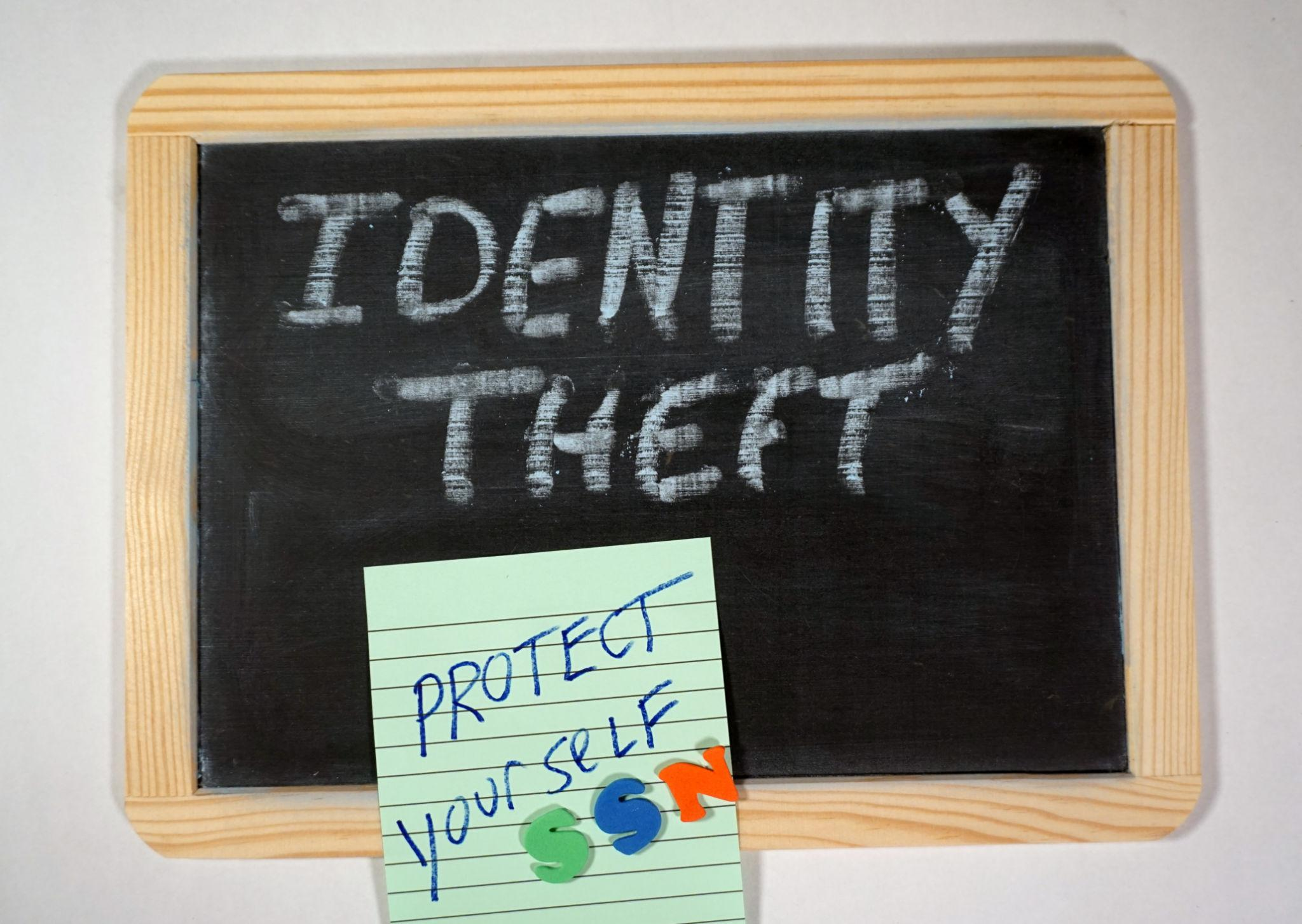
Identity theft is one of the fastest-growing concerns for seniors. It can affect:
Many seniors worry about:
You are not alone. The good news is this:
👉 Most identity theft risks can be reduced with simple steps and the right support.
At EasyITGuys, we help seniors understand identity protection in a way that is clear, practical, and not overwhelming.
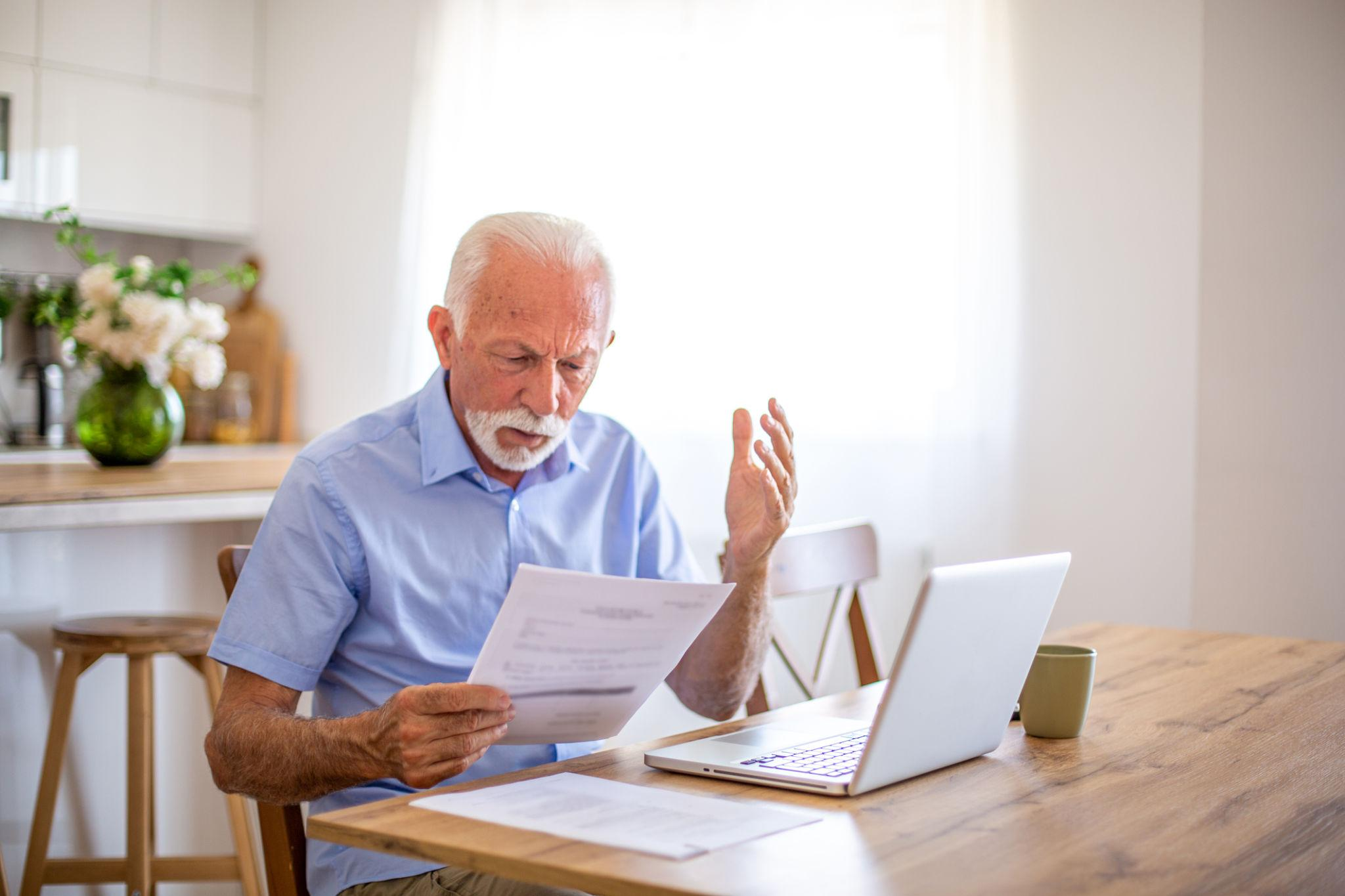
Identity theft happens when someone uses your personal information without your permission.
This may include:
The goal is usually to:
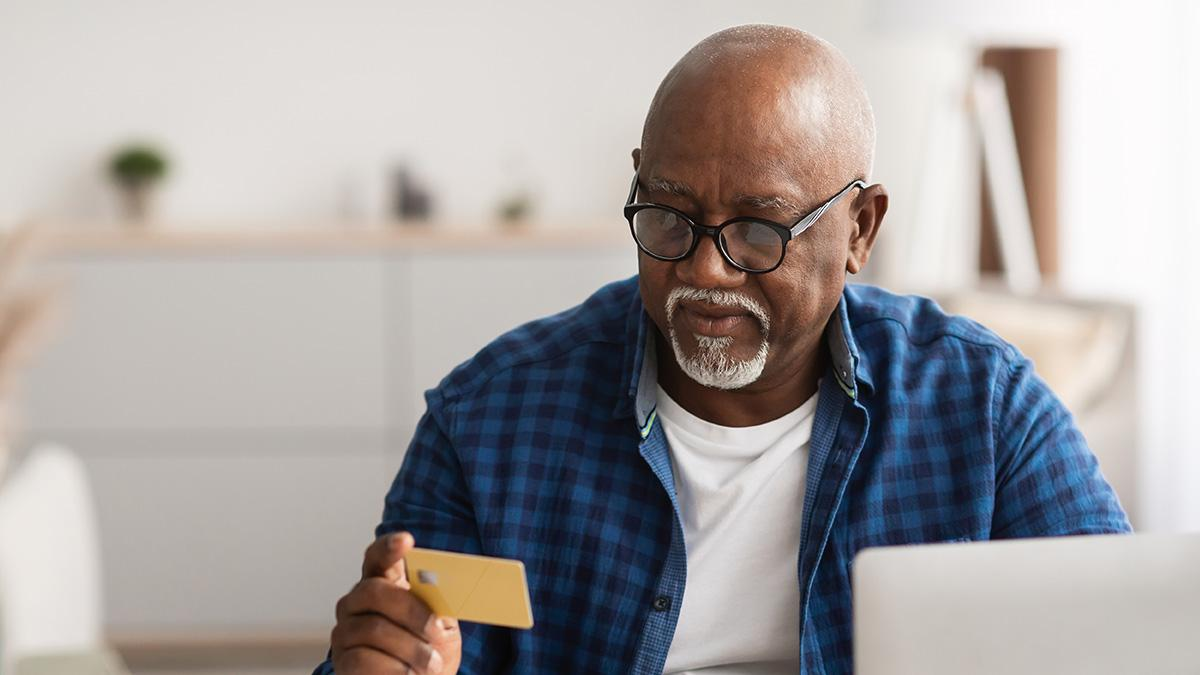
Seniors are often targeted because scammers believe:
This is not a weakness. It is simply how scams are designed. They are built to confuse, pressure, and trick people.
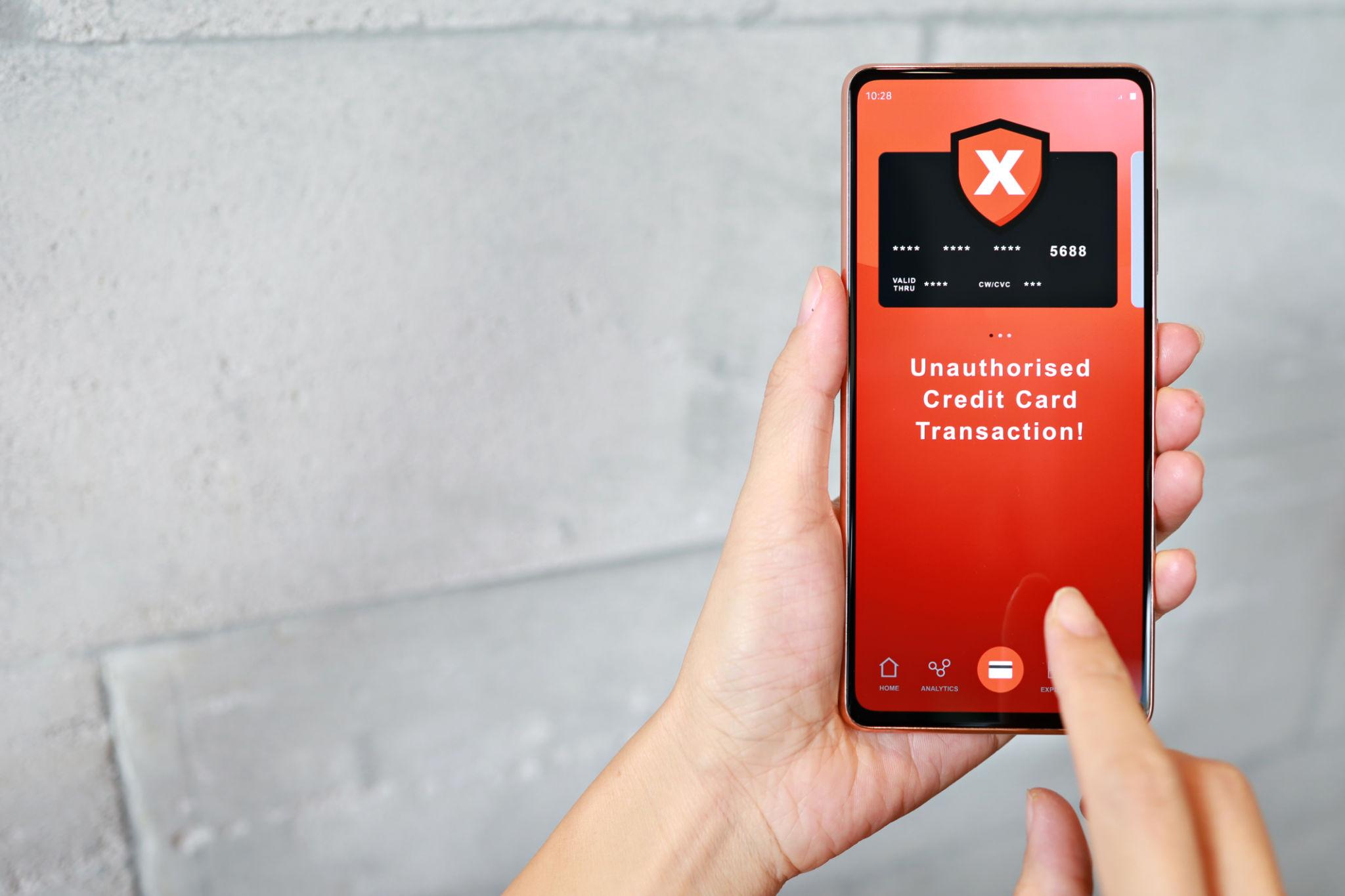
Fake emails that look real and try to get you to enter personal information.
Someone claims your computer has a problem and asks for access or payment.
Messages that say there is a problem with your account or payment.
Emails that trick you into resetting your password on a fake website.
Calls pretending to be from government agencies, banks, or companies.
Your information may already be circulating from past data breaches.
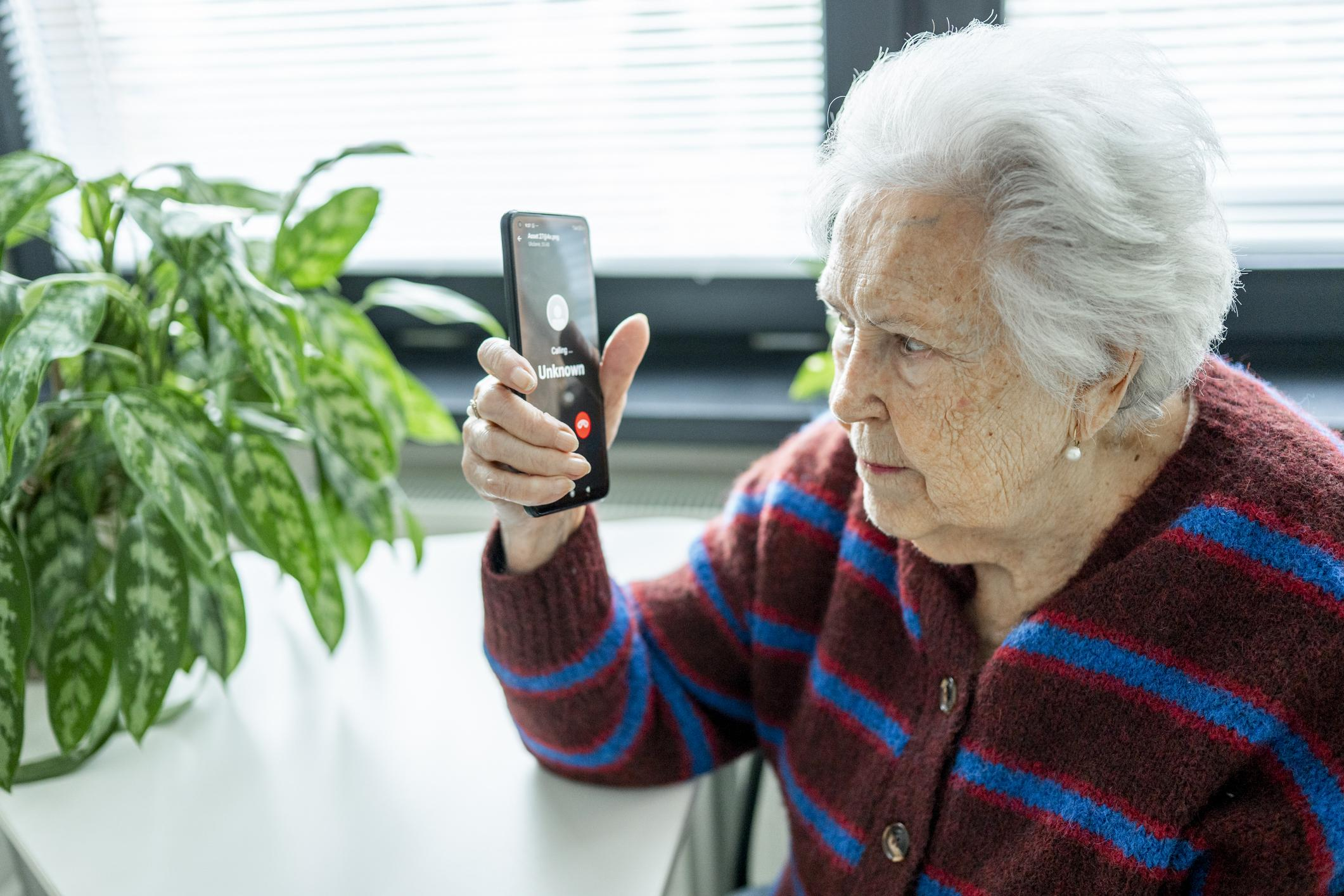
Some warning signs include:
If something feels off, it is worth checking.
Identity protection does not need to be complicated. Here are simple steps that make a real difference.
Use strong, unique passwords for important accounts. If needed, get help managing them safely.
Do not click links or open attachments unless you are sure they are real.
Legitimate companies will not ask for sensitive information through random emails or calls.
Enable additional verification steps for important accounts.
Check your bank, credit card, and email accounts regularly.
Most scams rely on urgency. Take your time.
If something seems wrong, take action calmly.
Do not panic. Look at what happened.
Change passwords for important accounts such as:
Look for unfamiliar charges or account changes.
If financial information may be involved, contact your bank directly.
You do not need to handle this alone.
Identity theft is not just about personal information.
It is connected to:
That is why identity protection works best when it is part of a bigger approach.
👉 Personal cybersecurity
We help seniors take simple, practical steps to reduce risk and feel more confident.
We help you understand how to better protect important accounts.
We help reduce confusion and improve security around sign-ins.
We help you recognize common scams and avoid risky situations.
If something feels wrong, we help you slow down and assess it.
You have someone to contact when you need help, not just when something goes wrong.
Seniors often want more than information. They want:
Identity protection is not just about avoiding problems. It is about feeling safer using technology every day.
This page is designed for seniors and families searching for:
Use strong passwords, avoid clicking suspicious links, do not share personal information unexpectedly, and monitor accounts regularly.
Phishing emails and scam messages are among the most common ways attackers try to gain access to personal information.
Secure your accounts, change passwords, check financial activity, and contact your bank if needed.
Sometimes, yes. Data breaches can expose information. That is why monitoring and strong passwords matter.
It does not have to be. With simple habits and the right support, it can be manageable.
Yes. We help seniors understand risks, review situations, and take the right next steps.
Identity theft can feel overwhelming. But most risks can be reduced with:
You do not need to understand everything all at once. You just need the right support when you need it.
If you want help with:
EasyITGuys is here for you.

EasyITGuys helps seniors stay safer online with simple, trusted support.
Reach out if something feels off or you want immediate help.
Ask questions, build trust, and see how we can help.
Learn more about our full approach to cybersecurity for seniors
See how EasyITGuys helps seniors with tech support and cybersecurity